In the summer of 1975, the young director Steven Spielberg set new standards for cinema worldwide with an oversized shark bite, a plastic shark fin and an unmistakable two-note main theme composed by John Williams. With the horror from the deep, a man-eating, gigantic great white shark, the film of the same name became a similarly traumatic reference as Alfred Hitchcock's "Psycho": it triggered lasting primal fears across generations. On the beaches of the world, there was clearly a "before" and an "after". Steven Spielberg, who was only 28 at the time, not only set new standards for the thriller genre, but also hid his biting criticism of US capitalism in the 1970s behind it.
ABC's Wide World of Sports first started spanning the globe in 1960, and a generation of sports fans and weekend TV viewers were hooked from the start. In this videocassette, featuring highlights of that first decade, Wide World captured the famous moments of competition all over the globe.
Explore NowWhen Forgotten Silver — the story of pioneer filmmaker Colin McKenzie — unspooled on 29th October 1995, in a Sunday TV slot normally reserved for drama, many believed the fable was fact. Controversy ensued as a public reacted (indignant, thrilled) to having the wool pulled over their eyes. Costa Botes, who originated the mockumentary, later made this doco, looking at the construction of McKenzie's epic, tragic, yet increasingly ridiculous story. He interviews co-conspirator Peter Jackson and other pranksters, and they muse on the film's priceless impact.
Explore NowPortrait of director Andrey Zvyagintsev against the background of the filming of his film "Loveless".
Explore NowIn 2001, Jimmy Wales published the first article on Wikipedia, a collaborative effort that began with a promise: to democratize the spreading of knowledge, monopolized by the elites for centuries. But is Wikipedia really a utopia come true?
Explore NowA tour of the the Exotic Locations of 'Tomorrow Never Dies'.
Explore NowThis documentary asks, what is happening to our homes? This is what’s going on all around this country while they’re trying to get everyone to focus on everything else that isn’t this.
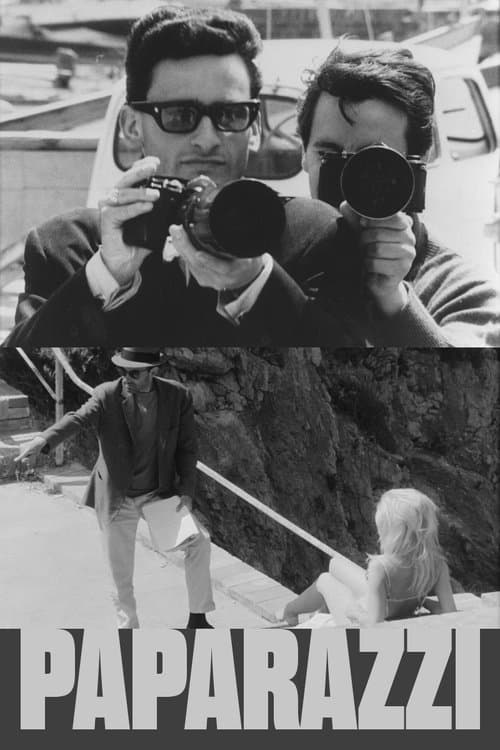
Explore NowPaparazzi explores the relationship between Brigitte Bardot and groups of invasive photographers attempting to photograph her while she works on the set of Jean-Luc Godard's film Le Mépris (Contempt). Through video footage of Bardot, interviews with the paparazzi, and still photos of Bardot from magazine covers and elsewhere, director Rozier investigates some of the ramifications of international movie stardom, specifically the loss of privacy to the paparazzi. The film explains the shooting of the film on the island of Capri, and the photographers' valiant, even foolishly dangerous, attempts to get a photograph of Bardot.
Explore NowA documentary that details the process of restoring 270 of the 520 lost films of pioneering director Georges Méliès, all orchestrated by a Franco-American collaboration between Lobster Films, the National Film Center, and the Library of Congress.
Explore NowA documentary following the civil rights movement and how the media, in particular the burgeoning TV, was used to fight for equality in the 1960s. From Selma to Charlottesville, we also see how modern activists use today's technology to continue fighting injustice today.
Explore NowThe story of the abandoned production of 'Day of the Champion', a movie about Formula 1 which was set to film in 1966.
Explore NowIn a career spanning more than half a century, Bernard Blier has shot more than 180 films. He alone represents a history of French cinema without having spent his time cultivating its legend. He crossed his century as an actor with the modesty of a craftsman. He believed in learning, know-how and transmission. He considered himself, like the butcher or the cabinetmaker, as a man useful to his fellow men. Bernard Blier found in Louis Jouvet, who was his teacher at the Conservatory, a master at playing, a mentor and even a spiritual father. Jouvet taught Blier the love of acting, theater and Molière. And if he knew how to take hold of Michel Audiard's best tirades like no one else, notably those of the "Tontons Flingueurs", it is to this apprenticeship that he owes it.
Explore Now