Narrated by Bill Mumy (Will Robinson from TV's "Lost in Space"), this documentary spotlights some of the most thrilling scenes the disaster genre has ever produced. From 1970s classics such as Airport and The Towering Inferno to James Cameron's Oscar-winning epic Titanic, no celluloid disaster flick is omitted. Interviews with directors and actors (including Will Smith) and newsreels of real historical disasters are also included.
Never-before-heard audio tapes recorded with Neil Armstrong during the final years of his life reveal an intimate portrait of this iconic - and famously private - man. Illustrated through previously unseen personal photographs and archival footage, this documentary special takes viewers on an emotional journey into the thoughts and experiences of the first man on the Moon.
Explore NowFilmmaker Abraham Ravett attempts to reconcile issues in his life as the child of a Holocaust survivor in this experimental non-narrative film. Ravett reflects upon his relationships with his family, from his now-deceased father (who survived both the Lodz Ghetto and Auschwitz) to his own young children. He utilizes family photographs and film footage, archival film footage from the Ghetto Fighters' House in Israel, cell animation by Emily Hubley, and computer graphics to create a film about memory, death, and what critic Bruce Jenkins calls "the power of the photographic image and sound to resurrect the past."
Explore NowA journey into the 1920s and 1930s featuring restored and edited home movies taken by Japanese American immigrant pioneers.
Explore NowAn exploration of the cinematic history of the folk horror, from its beginnings in the UK in the late sixties; through its proliferation on British television in the seventies and its many manifestations, culturally specific, in other countries; to its resurgence in the last decade.
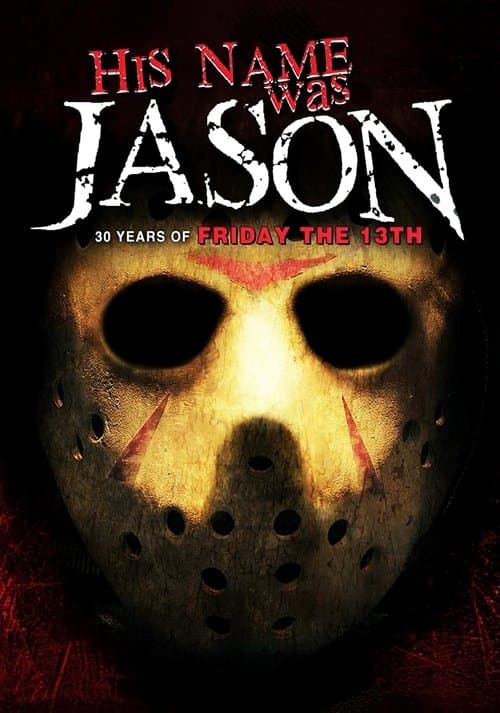
Explore NowA retrospective documentary about the groundbreaking horror series, Friday the 13th, featuring interviews with cast and crew from the twelve films spanning 3 decades.
Explore NowA documentary film that delves into the life and cinematic career of one of Japan's most prolific directors: Ishiro Honda. The film will spotlight Honda's filmography from both a historical and personal perspective, exploring his contributions to the Japanese film industry and his firsthand experiences of war, from which he barely survived. It will also delve into his profound feelings regarding the atomic bomb, a subject that became an obsession for him and was frequently reflected in his films. The documentary will analyze Honda's body of work through interviews with individuals who had the privilege of collaborating with him, as well as experts on Honda's films from both Japan and the Western world. Furthermore, the film will uncover Honda's friendship and professional relationship with director Akira Kurosawa.
Explore NowA look at the life and work of Spanish filmmaker and film critic Fernando Méndez-Leite, as he writes his memoirs and a novel with autobiographical resonances.
Explore NowRome, Italy, June 1993. Antonietta De Lillo and Marcello Garofalo interview legendary Italian film director Lucio Fulci (1927-96).
Explore NowAct of Violence Upon a Young Journalist is a film shot in 1988 and released on VHS in 1989; a mysterious cult work of Uruguayan cinema surrounded by strange theories about Manuel Lamas, its unknown creator. Until now.
Explore NowA century of change in pictures (1915-2015). What makes Twente Twente? What changes have taken place in the last century? Twente op Film is a project by filmmaker Erik Willems, actress (and co-producer) Johanna ter Steege and producer André Oude Weernink. They used film archive images to make a film about what has changed in Twente in a century. In city planning, in industry, in every day life, in the countryside and in the city.
Explore NowAn intimate look at the Woodstock Music & Art Festival held in Bethel, NY in 1969, from preparation through cleanup, with historic access to insiders, blistering concert footage, and portraits of the concertgoers; negative and positive aspects are shown, from drug use by performers to naked fans sliding in the mud, from the collapse of the fences by the unexpected hordes to the surreal arrival of National Guard helicopters with food and medical assistance for the impromptu city of 500,000.
Explore Now