This is a story of a seemingly quiet and unobtrusive man, author of a colossal and partly unfinished literary work. We will try to trace back to the origins of his inspiration so as to understand why his work met and still meets with so much success. How did JRR Tolkien manage, through the power of words alone, to so widely instill wisps of magic in the midst of a particularly disenchanted 20th century?
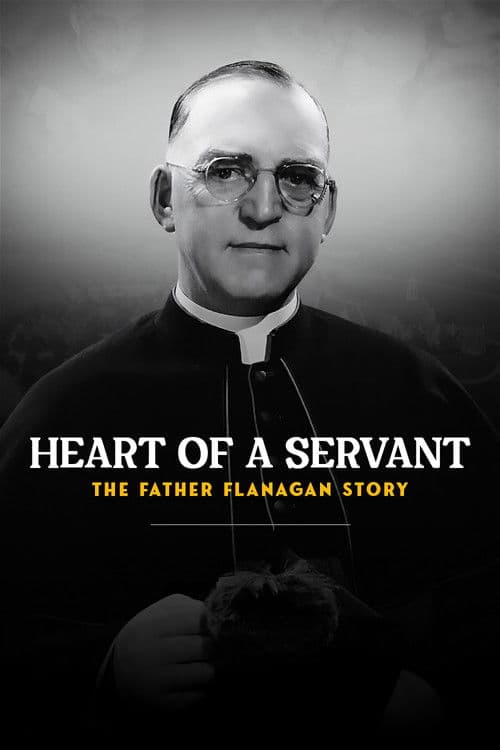
Father Edward J. Flanagan is a familiar name to many Americans, often for the Oscar-winning 1938 film starring Spencer Tracy about Flanagan’s groundbreaking child welfare organization. But the story extends far beyond that, to a man whose name and legacy are still well-known as far as Germany and Japan. Flanagan gained influence and admiration over the course of his life from Presidents, CEOs, celebrities and more, but none mattered more to him than that of the children for whom he tirelessly worked. A sobering reminder of this was during WWII, as Flanagan saw droves of former Boys Town citizens go off to war. In fact, so many former Boys Town boys named Flanagan as their next of kin that the American War Dads Association named him as America’s No. 1 War Dad.
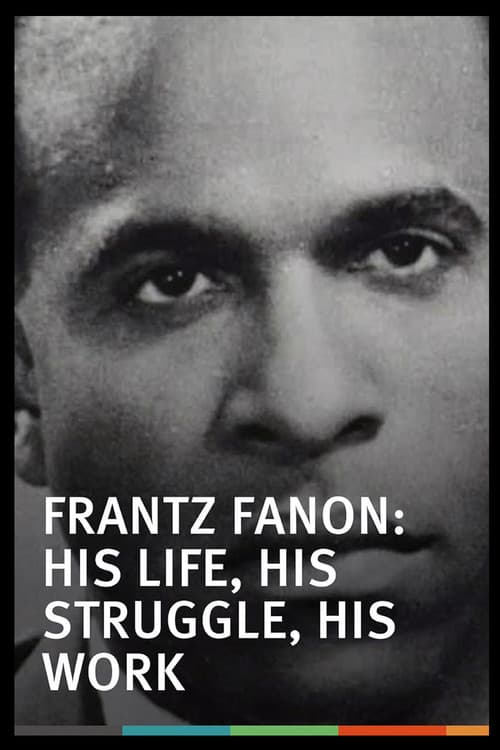
Explore NowIt is the evocation of a life as brief as it is dense. An encounter with a dazzling thought, that of Frantz Fanon, a psychiatrist of West Indian origin, who will reflect on the alienation of black people. It is the evocation of a man of reflection who refuses to close his eyes, of the man of action who devoted himself body and soul to the liberation struggle of the Algerian people and who will become, through his political commitment, his fight, and his writings, one of the figures of the anti-colonialist struggle. Before being killed at the age of 36 by leukemia, on December 6, 1961. His body was buried by Chadli Bendjedid, who later became Algerian president, in Algeria, at the Chouhadas cemetery (cemetery of war martyrs ). With him, three of his works are buried: “Black Skin, White Masks”, “L’An V De La Révolution Algérien” and “The Wretched of the Earth”.
Explore NowNarrated by Linda Hunt, this documentary examines the life of the late author and gay rights activist Paul Monette. Born in 1945 to a well-off Massachusetts family, Monette grows up unable to accept his homosexuality, for years hiding it from his loved ones while struggling to develop as a writer. In 1978, Monette publishes his first novel, which allows him to come out to his parents. After losing one lover to AIDS in 1986, he becomes a ferocious advocate for awareness of the disease.
Explore NowAn adaptation of Jérôme Garcin’s novel Le dernier hiver du cid, this documentary built exclusively on archive footage and a delicate story telling style will permit a Cannes style celebration of Gerard Philipe’s 100th birthday anniversary. He will also be coming back to the Croisette through the screening of Fanfan la tulipe.
Explore NowThe actress Lola Dewaere recounts the film career and traumatic life of celebrated actor Patrick Dewaere, the father she never knew, under the watchful eye of director Alexandre Moix.
Explore NowFrench writer Jean-Claude Carrière (1931-2021) traces the life and work of Spanish painter Francisco de Goya (1746-1828).
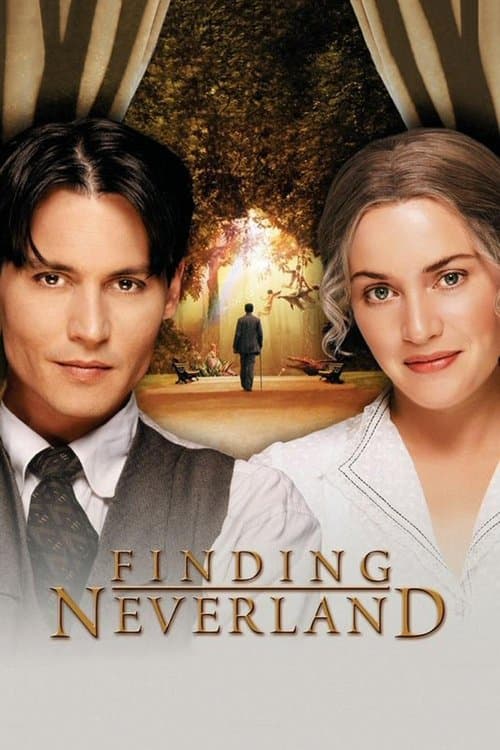
Explore NowDuring a writing slump, playwright J.M. Barrie meets a widow and her four children, all young boys—who soon become an important part of Barrie’s life and the inspiration that lead him to create his masterpiece. Peter Pan.
Explore NowThis shows physicist Stephen Hawking's life as he deals with the ALS that renders him immobile and unable to speak without the use of a computer. Hawking's friends, family, classmates, and peers are interviewed not only about his theories but the man himself.
Explore Now