The Wizard of U.S. is a social satire - an animated documentary about emotions, based on themes from the popular American novel "The Wizard of OZ", in order to illustrate how Los Angeles makes the American Dream come true. The film describes the observations, dilemmas and adventures shared by all of those, who just like Dorothy - the main character-want to be "the voice of their generation" and try their luck in Hollywood. This is the hyper-realistic America, with all its attractions, such as living "at full capacity", the enthusiasm and embarrassingly white smiles of "the local people" seen through the eyes of a "stranger" from Europe. Using the factual interviews with the inhabitants of Los Angeles, observing their everyday life, habits and behavior, after three years of having survived in L.A. the director reveals the thrills and absurdities that govern the world of the big stakes and unleashed dreams the way it is all perceived by an immigrant from Europe.
The first part tells of the life and works of L. Frank Baum, along with his career as a writer and filmmaker, centering on the creation of Oz. This portion continues with the effect of Oz after his death, with novelties, dolls, radio, stage, and screen adaptions, and advertising gimmicks based on his work, culminating with MGM's Wizard of Oz (1939). While discussing some of the major alterations between the book and the film, such as MGM making Baum's real-life adventure a dream. The second half is about interpretation of Oz by other artists, including Helen Kish, Barry Moser, Barry Mahon, Evelyn Copelman, Robert Tonner, Robin Woods, Michael Hague, Lizbeth Zwerger, Pavel Arsyenov, and Charles Santore. The documentary concludes with an analysis of Baum's work and its profound effect on American culture.
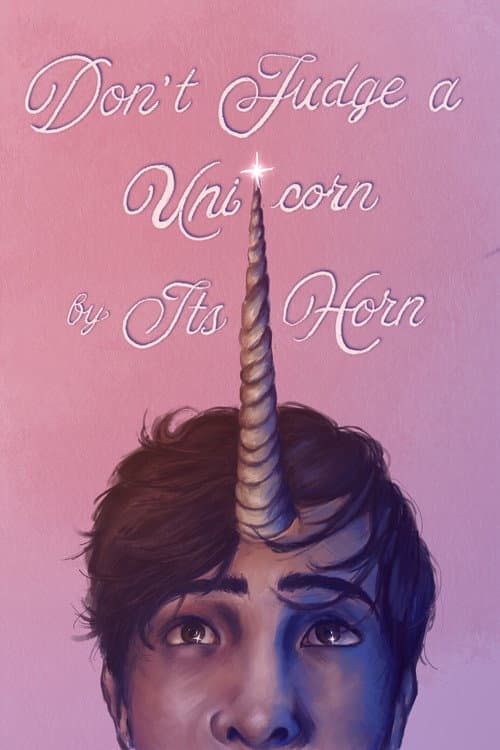
Explore NowArthur wakes to a shocking discovery—a horn growing from his forehead. Confronted by his parents, Arthur will have to make difficult choices that flip his life upside-down.
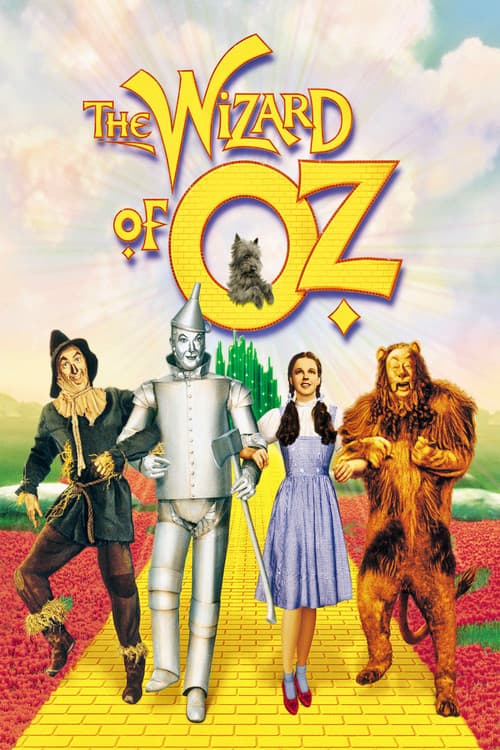
Explore NowYoung Dorothy finds herself in a magical world where she makes friends with a lion, a scarecrow and a tin man as they make their way along the yellow brick road to talk with the Wizard and ask for the things they miss most in their lives. The Wicked Witch of the West is the only thing that could stop them.
Explore NowBehind the scenes in the making of “The Wizard of Oz on Ice”.
Explore NowA promotional piece for the Disney film "Return to Oz", that also traces the history of the Oz books and films.
Explore NowA look into how L. Frank Baum's classic novel was transformed into one of the most beloved films of all time including archival interviews, behind-the-scenes footage, and rare musical outtakes.
Explore NowA Pop Art extravaganza by Fred Mogubgub from the late-1960s, innovative in the use of the quick cut, this film is a parade of pop icons of its time. Features a pre-Playboy, pre-N. O. W. Gloria Steinem.
Explore NowRather than adapt a later or create a new Oz story, this production has Dorothy still in posession of the shoes, and she clings to an apple tree during a tornado which takes her back to Oz. The Scarecrow, Tin Woodman, and Lion (using the names created for the nearly-abstract television series, Tales of the Wizard of Oz, from which this was derived) have had their MGM gifts destroyed by the restored Wicked Witch, and the four proceed to the Wizard for help, who is ineffectual as usual.
Explore NowChildren's author Dorothy Gale makes a decent living continuing her grandfather's series of Oz books. When a new agent enters the scene, Dorothy moves to New York city. In the midst of a major business deal for her books, Dorothy discovers that her books are not based on her imagination, but on repressed memories. While Dorothy struggles with the revelation, she is forced to confront The Wicked Witch of the West, who has descended upon the Big Apple, determined to settle an old score.
Explore NowDorothy, saved from a psychiatric experiment by a mysterious girl, finds herself back in the land of her dreams, and makes delightful new friends, and dangerous new enemies.
Explore NowPalermo, Sicily, Italy, 2017. Twenty-five years after the murders of anti-mafia judges Giovanni Falcone, on May 23, 1992, and Paolo Borsellino, on July 19, 1992; and on the occasion of the tributes held in memory of both heroes, skeptical photographer Letizia Battaglia, chronicler of their titanic combat, criticizes the opportunism of shady characters who, like businessman Ciccio Mira, profit from the commemoration of both tragedies.
Explore Now