The Smurfs were created in 1958 by the Belgian comic author Peyo (Pierre Culliford, 1928-1992) and they are one of Belgium's most recognized exports. From Brussels to Los Angeles, via Dubai, a journey into the tiny world of the famous little blue people, from the story of the creation of the original comic to the account of their huge global commercial exploitation.
Arguing that advertising not only sells things, but also ideas about the world, media scholar Sut Jhally offers a blistering analysis of commercial culture's inability to let go of reactionary gender representations. Jhally's starting point is the breakthrough work of the late sociologist Erving Goffman, whose 1959 book The Presentation of the Self in Everyday Life prefigured the growing field of performance studies. Jhally applies Goffman's analysis of the body in print advertising to hundreds of print ads today, uncovering an astonishing pattern of regressive and destructive gender codes. By looking beyond advertising as a medium that simply sells products, and beyond analyses of gender that tend to focus on either biology or objectification, The Codes of Gender offers important insights into the social construction of masculinity and femininity, the relationship between gender and power, and the everyday performance of cultural norms.
Explore NowA tour of the the Exotic Locations of 'Tomorrow Never Dies'.
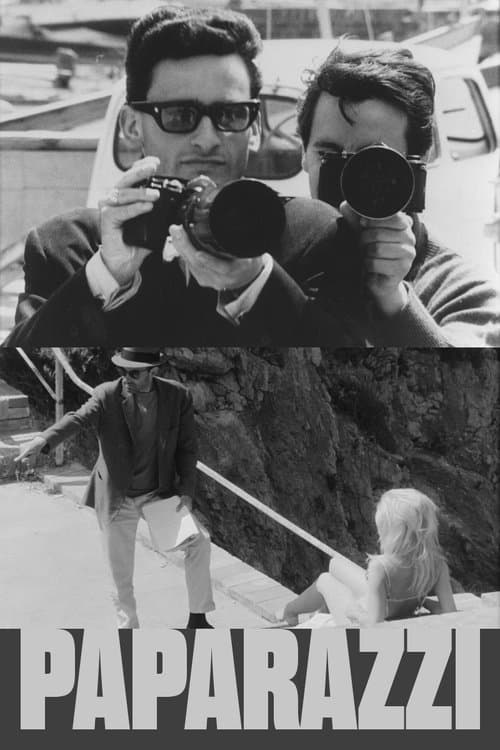
Explore NowPaparazzi explores the relationship between Brigitte Bardot and groups of invasive photographers attempting to photograph her while she works on the set of Jean-Luc Godard's film Le Mépris (Contempt). Through video footage of Bardot, interviews with the paparazzi, and still photos of Bardot from magazine covers and elsewhere, director Rozier investigates some of the ramifications of international movie stardom, specifically the loss of privacy to the paparazzi. The film explains the shooting of the film on the island of Capri, and the photographers' valiant, even foolishly dangerous, attempts to get a photograph of Bardot.
Explore NowFrench writer Jean-Claude Carrière (1931-2021) traces the life and work of Spanish painter Francisco de Goya (1746-1828).
Explore NowActor/cult icon Bruce Campbell examines the world of fan conventions and what makes a fan into a fanatic.
Explore NowMartin Scorsese’s electrifying concert documentary captures The Rolling Stones live at New York’s Beacon Theatre during their A Bigger Bang tour. Filmed over two nights in 2006 with an all-star team of cinematographers, the film combines dynamic performances with archival footage and rare glimpses behind the scenes, offering a vibrant portrait of the band’s enduring energy and legacy.
Explore NowThis promotional short film for "Soylent Green" (1973) begins by showing clips of films that depicted what the future might be like beyond Earth. The narrator then discusses the origin of the idea depicted in "Soylent Green." Director Richard Fleischer and star Charlton Heston discuss how an upcoming crowd scene will be filmed. Then we see what happens when the crowd riots because there is not enough food available to be distributed to everyone. "Soylent Green" was Edward G. Robinson's 101st (and, as it turned out, his last) feature film. During a break in filming, the cast and crew hold a ceremony celebrating the first film of his "second hundred," and Robinson makes appreciative remarks to the crowd. Studio head Jack L. Warner and friend George Burns are among those in attendance.
Explore Now