A remarkable true story of human space exploration
The first American space station Skylab is found in pieces scattered in Western Australia. Putting these pieces back together and re-tracing the Skylab program back to its very conception reveals the cornerstone of human space exploration.
From prehistoric times to our technologically accelerated present, this exciting and entertaining journey through time explores the thousands of ways in which mankind has perceived, measured and passed time over the course of its history.
Explore NowIn this two-part Channel 4 series, Professor Richard Dawkins challenges what he describes as 'a process of non-thinking called faith'. He describes his astonishment that, at the start of the 21st century, religious faith is gaining ground in the face of rational, scientific truth. Science, based on scepticism, investigation and evidence, must continuously test its own concepts and claims. Faith, by definition, defies evidence: it is untested and unshakeable, and is therefore in direct contradiction with science. In addition, though religions preach morality, peace and hope, in fact, says Dawkins, they bring intolerance, violence and destruction. The growth of extreme fundamentalism in so many religions across the world not only endangers humanity but, he argues, is in conflict with the trend over thousands of years of history for humanity to progress to become more enlightened and more tolerant.
Explore NowNever-before-heard audio tapes recorded with Neil Armstrong during the final years of his life reveal an intimate portrait of this iconic - and famously private - man. Illustrated through previously unseen personal photographs and archival footage, this documentary special takes viewers on an emotional journey into the thoughts and experiences of the first man on the Moon.
Explore NowSeptember 11, 1898: The imperial family’s personal physician, Dr. Herman Widerhofer, is deeply shocked by the news that an anarchist has assassinated Empress Elisabeth in Geneva. He then shuts himself up in his private rooms and recalls the empress’ fateful life. We learn the truth about Elisabeth, as the doctor knew more about her than anyone else.
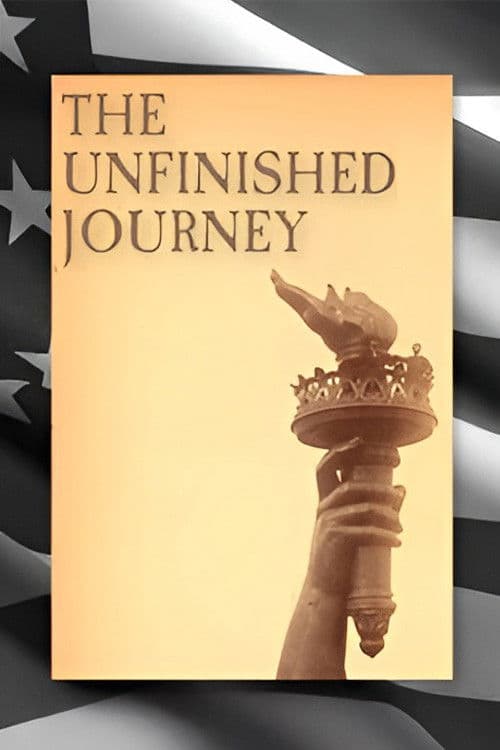
Explore NowA multimedia short created for the U.S. millennium celebrations, The Unfinished Journey reflects on America’s history and spirit through six chapters—immigration, war, culture, civil rights, and innovation. Commissioned by President Bill Clinton and premiered at the Lincoln Memorial on New Year’s Eve 1999, the film features an original orchestral score by John Williams titled American Journey.
Explore NowSixty years ago, the Canary Islands were the first in Europe to adopt desalination of ocean water to produce drinking water. Often considered a miracle solution, is this technique compatible with sustainable development?
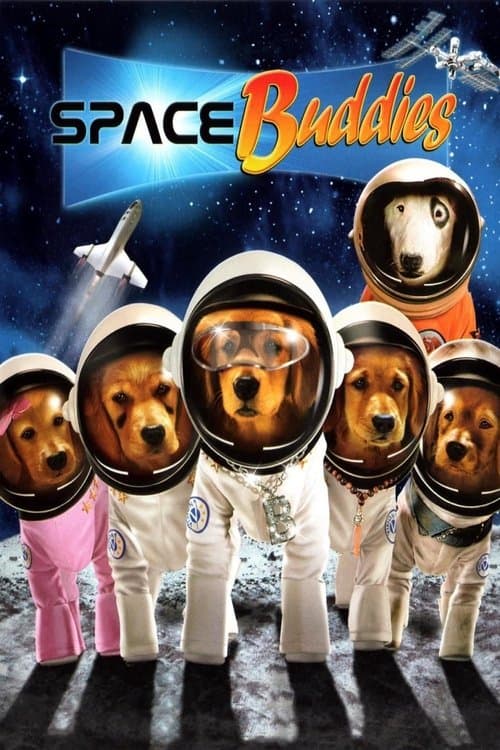
Explore NowB-Dawg, Mudbud, Budderball, and all the rest of the Buddies are back, but this time, they're setting their sights even higher -- as in, the moon! With the help of their new pals Spudnick (voiced by Jason Earles) and Gravity, these pooches are go for launch. But to pull off their moon landing and make it home safely, our canine heroes will have to summon all their bravery and imagination...
Explore NowArchival material from the original NASA film footage – much of it seen for the first time – plus interviews with the surviving astronauts, including Jim Lovell, Dave Scott, John Young, Gene Cernan, Mike Collins, Buzz Aldrin, Alan Bean, Edgar Mitchell, Charlie Duke and Harrison Schmitt.
Explore NowOn July 16, 1969, hundreds of thousands of spectators and an army of reporters gathered at Cape Kennedy to witness one of the great spectacles of the century: the launch of Apollo 11. Over the next few days, the world watched on with wonder and rapture as humankind prepared for its "one giant leap" onto the moon--and into history. Witness this incredible day, presented through stunning, remastered footage and interviews that takes you behind-the-scenes and inside the spacecraft, Mission Control, and the homes of the astronaut's families.
Explore NowAfter ignoring death for most of our history, the medical and scientific communities have begun to focus their attention on how our bodies behave on our journey to the great beyond. Often seen as an event, dying is actually a process, which, in some cases, can be stopped or reversed. Even after someone is clinically dead, life in many parts of our bodies carries on for hours, days, or even weeks.
Explore NowThis is the story of Queen Victoria as never heard before; a psychological insight of the woman told through her own words, her experiences recounted solely through her personal diaries and letters.
Explore Now