It's All About The Journey Home
A feature that not only celebrates the 1986 classic "Flight of the Navigator", but also looks at the life of its child star, Joey Cramer, and his roller-coaster life since that breakthrough role.
The history of Frankenstein's journey from novel to stage to screen to icon.
Explore NowNot only did Mary Tyler Moore “turn the world on with her smile,” as her show’s theme song declared, she also influenced a generation of women to become more independent and to pursue successful and fulfilling careers. Moore’s own 50-plus-year career has spanned award-winning films and Broadway shows, as well as two beloved television series that broke ground and continue to entertain viewers. This one-hour special includes highlights from a recent interview with Mary Tyler Moore, tributes from her co-stars and clips from iconic moments throughout her career. The program looks at her breakthrough role on The Dick Van Dyke Show, her iconic turn as TV's first independent career woman on The Mary Tyler Moore Show and her Academy Award-nominated work on Ordinary People.
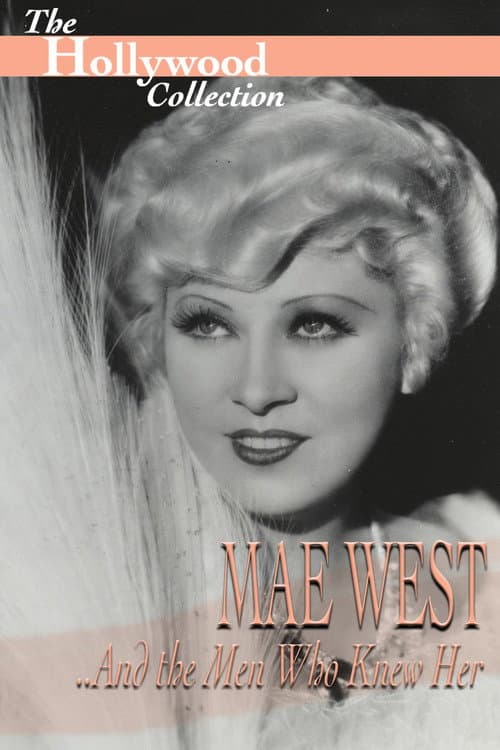
Explore NowAs the first "blonde bombshell," Mae West reigned supreme and changed the nation's view of women, sex and race — on stage, in films, on radio and television.
Explore NowKnown for his personification of the Western Hero, it was Montana-born Gary Cooper's horse-riding skills that first brought him bit parts in movies. And he never lost his love of the great American outdoors. Though he rarely played a villain and was an adept comedian, Cooper is best remembered for his strong, silent heroes. With his lanky country boy looks and shy hesitancy he created a unique screen presence, though his real life was one of sophisticated elegance.
Explore NowHe went from street-wise tough to art-collector liberal-activist, from circus-acrobat hunk to Academy Award winner. Burton Stephen Lancaster — later Burt Lancaster — was one of five children of a New York City postal worker. By eighteen, Burt was 6'2" and blessed with the athletic physique and dynamic good looks that helped make him famous. A stint in the Army introduced Burt to acting and led him to Hollywood where his first release, "The Killers" (1946), propelled him to stardom at age 32. He took control of his own career and seldom faltered.
Explore NowWatch as Terry Moore recounts her life as the last living legend of golden era Hollywood.
Explore NowAs Hong Kong's foremost filmmaker, Johnnie To himself becomes the protagonist of this painstaking documentary exploring him and his Boundless world of film. A film student from Beijing and avid Johnnie To fan, Ferris Lin boldly approached To with a proposal to document the master director for his graduation thesis. To agreed immediately and Lin's camera closely followed him for over two years, capturing the man behind the movies and the myths. The result is Boundless, a candid profile of one of Hong Kong's greatest directors and a heartfelt love letter to Hong Kong cinema.
Explore NowA comic, biting and revelatory documentary following a small group of prankster activists as they gain worldwide notoriety for impersonating the World Trade Organization (WTO) on television and at business conferences around the world.
Explore NowA portrait of Argentine libertarian politician Javier Milei.
Explore NowThe ultimate companion to John Carpenter’s "The Thing", digging deep into the proverbial iceberg to enhance your viewing experience with new insights, stories, and revelations.
Explore NowEdward Said, Professor of English & Comparative Literature at Columbia University, was a prominent literary critic of the late 20th century and a leading spokesperson for the Palestinian cause in the US. Born to a Palestinian family in Al-Quds (Jerusalem) in 1935, he and his family were dispossessed in 1948 and settled in Cairo. Educated in the US, he lived in New York for many years. Said was a member of the Palestine National Council. After resigning from the PNC in 1991, Said wrote critically about the post-Oslo peace process, the political failures of Yasser Arafat and the PLO. Said was diagnosed with leukemia in 1991 and struggled with the disease while continuing to write and teach. He stopped giving interviews but made an exception less than a year before his death in 2003, speaking about his illness, work, Palestine, politics, life, and education. The last interview is the final testament of this passionately committed intellectual.
Explore Now